


Physicians are under pressure to see patients in a timely, effective, and efficient manner. Take a little time, organize your thoughts, come prepared and your visit could be much more productive.
What to bring to your visit:
- Pad and pen… you will likely receive recommendations and many patients forget them as soon as they leave the office.
- A list of your medical problems
- A list of your medications
- A list of your prior surgeries
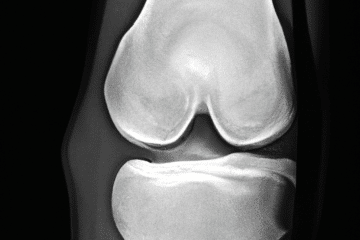
- A copy of pertinent studies (MRI, X-ray, etc)
- A copy of pertinent medical records (valuable for second opinions).
Dress appropriately. The physician will need to see the area of concern.
Organize your thoughts: A new orthopedic history will include…
- When did the problem start?
- What were you doing?
- Have you started taking any new medications?
- Have you changed your exercise program?
- What makes the pain better?
- Do you have pain at night?
- Does it awaken you?
- Any numbness, tingling or weakness?
- Any morning stiffness?
- Pain getting up from a seated position?
- Pain walking on hills?
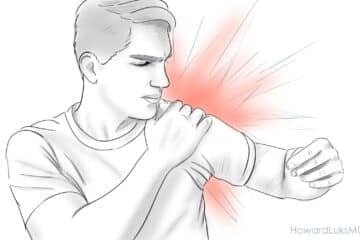
- Shoulder patients consider what motion causes your symptoms.
- Do you have any mechanical symptoms (catching, locking, clicking, etc)?
- Do you have any instability (does the joint feel loose)?
- Do you have any swelling?
- How does the pain affect your quality of life?
- What have you tried so far to obtain relief (physical therapy, injections, medications, exercise, etc)?
After the exam and discussion of the findings, your doctor will likely present you with alternatives….
some thoughts you should have:
- What are the possible diagnoses?
- Is further testing necessary (If the test will not change the plan of care, then it is possible that you do not require further tests)?
- Is an MRI or expensive imaging necessary (many times it is not)?
- What are the non-surgical, surgical alternatives available to treat my condition?
- What are the possible risks, side effects of the treatment?
- What will happen if I choose not to have surgery?
- What does the literature or research recommend (many physicians still practice based on anecdotal experience [which might be appropriate, depending on the situation])
Specific considerations for surgical patients.
- What are reasonably foreseeable risks of the surgical procedure?
- What are the realistic goals of the procedure (relief of pain, functional improvement, etc)?
- What is my “expected recovery time (recovery means different things to different people… be VERY CLEAR about your goals)
- When can I use my arm/leg?
- When can I l use my arm/leg for activities of daily living?
- When can I use my arm/leg against resistance (lifting objects or putting weight on your leg)?
- When can I drive?
- Do you know what I do for a living? When can I return to work?
Hopefully, this will help you on your next visit.








I was born with two defective knees they call double jointed the patella doesn’t stay in their.socket .I am now 59 years old I had one right knee patella moved over 1978 but not the left one .As of today my knees are starting to wake me at night and they are grinding you can hear them crunch . I belong to a knee study program at Unversity of Pittsburgh OAI about 10 years and they did tell me the Cartilage was wearing ,done MRIs measurements and x-rays in the study . On Monday, October 10 2916 I have my first visit to the orthopedic doctor at West Penn Hospital Pittsburgh, PA 15224 Dr. John J. Christoforette (11years) sports Medical Specialist I will utilize some of your information that I have read today and thank you very much