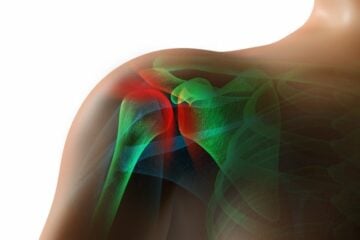
Shoulder Anatomy: The shoulder is a very complex structure. This accounts for the reason why the shoulder can be injured easily, and why treatment of certain shoulder issues can be difficult. This shoulder anatomy video is quite thorough and will provide you with a nice overview of the shoulder and serves a good starting point… Read More

My shoulder snaps and pops and I hear clicking … why?
Snapping shoulder Shoulder snapping or popping is a very common issue— it is so common that this is one of the most frequently searched topics on my website. I see between 5-10 patients a week who are simply in my office because the want to know – Why my shoulder snaps and pops? The shoulder… Read More
What are the most common causes of shoulder pain?
Common Causes of Shoulder Pain; Shoulder pain is extremely common across all age spectrums. Different *problems* arise in different age groups. As we age, our tissues change. In children the cartilage of the shoulder is weaker than the rotator cuff of the shoulder. Therefore children rarely suffer rotator cuff injuries. In adults the rotator cuff… Read More

Rotator Cuff Injuries
Shoulder Pain I see many patients every week with shoulder pain. The diagnosis of shoulder pain and determining what the actual pain generator is in shoulder is not always straight forward. The most common causes of shoulder pain will vary with age, your activities and whether or not you have suffered any trauma. Rotator cuff… Read More
What is rotator cuff tendinosis?
Rotator cuff tendinosis is a degenerative (genetic, age or activity related) change that occurs in our rotator cuff tendons over time. Rotator cuff tendinosis is exceptionally common. Many, many people have tendinosis of the rotator cuff and do not even know it. Why rotator cuff tendinosis bothers some people and doesn’t bothers others is currently… Read More
How do I know if I have a full thickness rotator cuff tear?
Proper structure and function of the rotator cuff is important for the shoulder. Fraying of the rotator cuff tendon surface, partial thickness tears, and full thickness rotator cuff tears are all quite common. How do Orthopedists figure out which one you have and how does that effect our treatment strategies? Rotator Cuff Tears: Before… Read More
Can tendinosis or partial tears progress to full tears of the rotator cuff?
Does rotator cuff tendinosis progress? Since rotator cuff tendinosis represents a(n) (age related, genetic or post-traumatic) degenerative condition, and degenerative conditions by definition usually progress, the unfortunate answer is yes. However, that does not always correlate with worsening of your pain or symptoms. Some people can have severe tendinosis and insignificant pain. Also, the rate of progression… Read More
Do all rotator cuff tears need shoulder surgery?
Usually not. Many tears in people over 50 are simply the result of aging. We call these attritional tears, where the tissue simply wears out from use. Just like the front of your knee on your favorite pair of jeans — sometimes the rotator cuff tendon simply wears out. An acute, traumatic tear in a young patient… Read More
What is an arthroscopic rotator cuff repair?
The arthroscope is a fiber optic camera inserted into the shoulder through a small stab wound. This serves as our eyes within the joint. With the advent of a multitude of arthroscopic instruments, we can now repair your rotator cuff, labral tear, or ligament tear using this approach. This eliminates the need for an open incision… Read More
What is a Labral Tear
What is the Labrum? The glenoid labrum is a cartilage disc attached to the socket of the shoulder that aids in maintaining stability of the shoulder — so that it stays in its proper place. The labrum is firmly attached to the socket, and the ligaments which connect the bones of the shoulder together insert… Read More

Recent Comments