Longevity;
Simplified.
Join the thousands of followers who rely on Dr. Howard J. Luks, a board-certified orthopedic surgeon specializing in Sports Medicine, at Simplavida with tools, tactics, and techniques for simplifying longevity.



Resources and Insights
The most popular topics, covering Longevity, Metabolic Health, Joint Injury and Osteoarthritis.
Popular Articles
- Zone 2 Heart Rate Training For Longevity and Performance
- Batter’s Shoulder : Posterior Labral Tears
- Runners require strength too: What to do and when to do it
- Why Does My Shoulder Hurt So Much?
- Lactate, the lactate shuttle, and lactate threshold workouts in polarized training
- Pain In The Front Of The Knee: 6 Common Causes



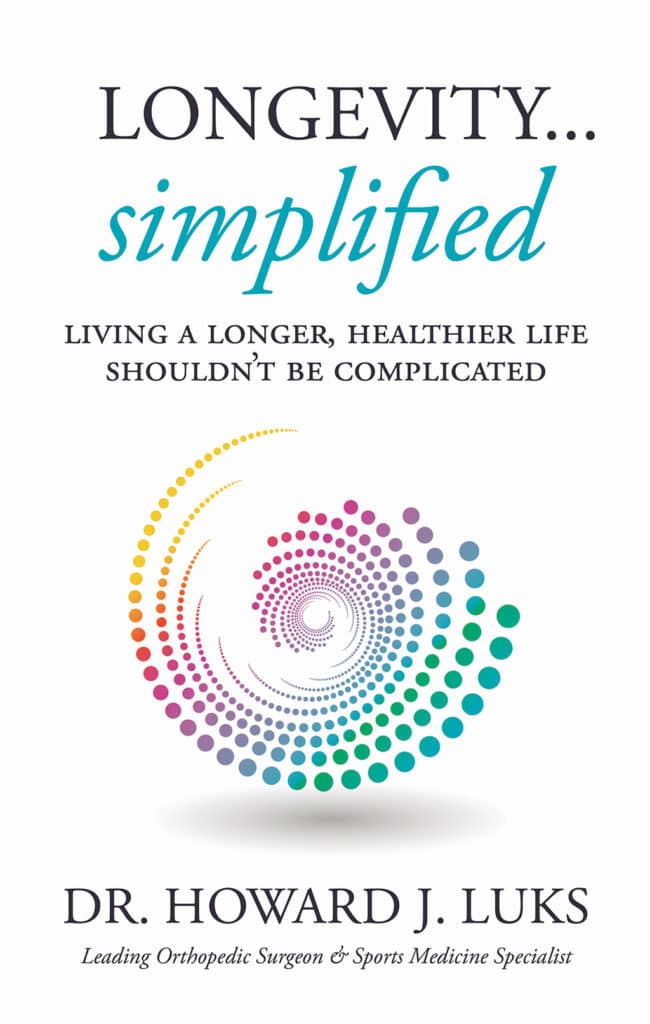
In a cacophonic world of repurposed drugs, promises of intermittent fasting fixes, and life hacks, what’s the one true path? In Longevity Simplified, Dr. Howard Luks captures the essence of what it takes to live long and well; his book is a must-read.

Professor Stuart Philips, PhD, FACSM, FCAHS
McMaster University
Knowledge is power! In Longevity Simplified, Dr Luks presents simple strategies to increase your ‘healthspan’ – not just your lifespan. ‘No one wants to spend their last decade as a frail shell of the person they used to be.’

Dr. Neil Meigh
Bond Institute of Health and Sport
The Latest
-

Combating Age-Related Muscle Loss: The Power of Resistance Training
-
Molecular Approaches to Osteoarthritis: The Role of Inflammation and Genetics
-
How to Maintain A Healthy Rotator Cuff and A Happy Shoulder
-
Zone 2 Training… why so many people get it wrong
-
The Causes of Osteoarthritis: Debunking the “Wear and Tear” Myth
-
The Silent Culprits: How Sedentary Lifestyles and Poor Metabolic Health Exacerbate Joint Issues